
Keeping Pets Safe in Hot Weather: Essential Summer Advice

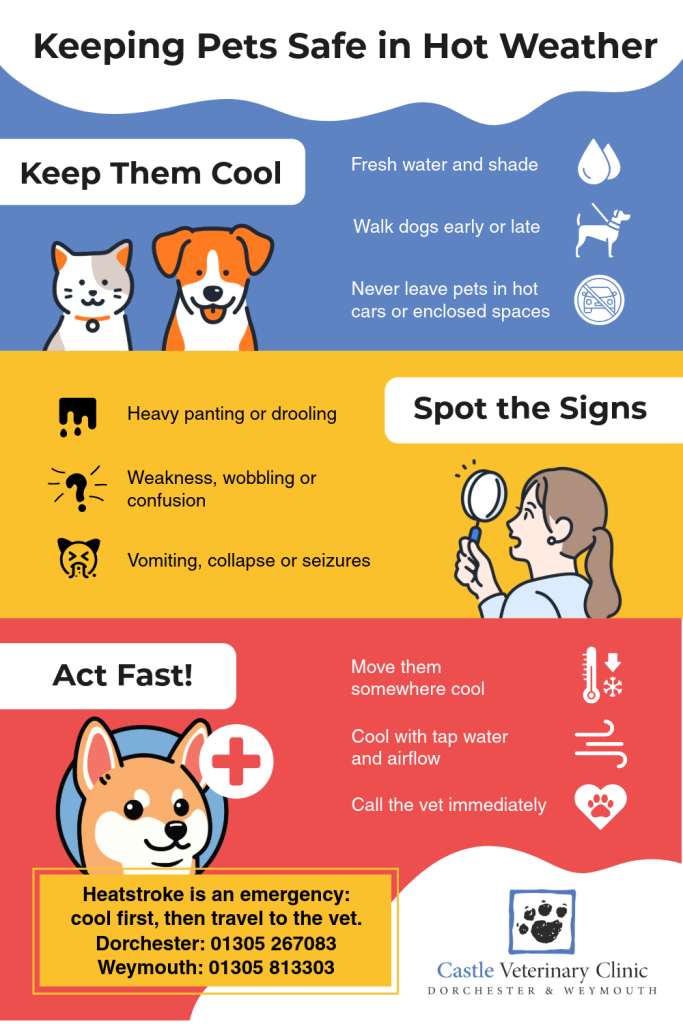
The infographic above covers the essentials at a glance. Below, we take a closer look at why hot weather can be dangerous, which pets are most vulnerable, how to adapt everyday routines and what to do if you suspect heatstroke.

Warm weather can be lovely, but even a mild-looking UK summer day can become uncomfortable or dangerous for pets. Dogs, cats, rabbits and small pets do not manage heat in the same way we do, and enclosed spaces can become dangerously hot far more quickly than many owners expect.

A few changes to your pet’s routine can greatly reduce the risk of overheating. It is also important to recognise the early signs of heat-related illness and know what to do if your pet begins to struggle.

Why Hot Weather Can Be Dangerous for Pets

Pets have limited ways to lose excess body heat. Dogs mainly cool themselves by panting, while cats may seek cooler surfaces, groom more and become less active. Rabbits and many small pets are especially vulnerable because they cope poorly with high temperatures and can quickly overheat in a warm hutch, cage, shed or room.

Heatstroke happens when a pet’s body temperature rises to a dangerous level and their normal cooling mechanisms can no longer cope. It can damage the brain and other organs, and it can be fatal.

Heat-related illness is not only linked to hot cars. Exercise is a major trigger in dogs, and cases can occur outside obvious heatwaves, particularly when pets are active in warm, humid or poorly ventilated conditions.

Which Pets Are Most at Risk?

Any pet can overheat, but some need extra care during warmer weather. Higher-risk pets include:

  • Flat-faced dogs and cats, such as Bulldogs, Pugs, French Bulldogs and Persians
  • Older pets and very young animals
  • Pets that are overweight
  • Pets with heart disease, breathing problems or reduced mobility
  • Dogs with thick or double coats
  • Highly active dogs that may continue playing or running despite becoming too hot
  • Rabbits, guinea pigs and other small pets housed in direct sunlight or poorly ventilated spaces

These pets may need shorter periods outside, more frequent rest and closer monitoring, even when the weather does not feel extremely hot to you.
Simple Ways to Keep Pets Cool

Provide Water, Shade and Ventilation

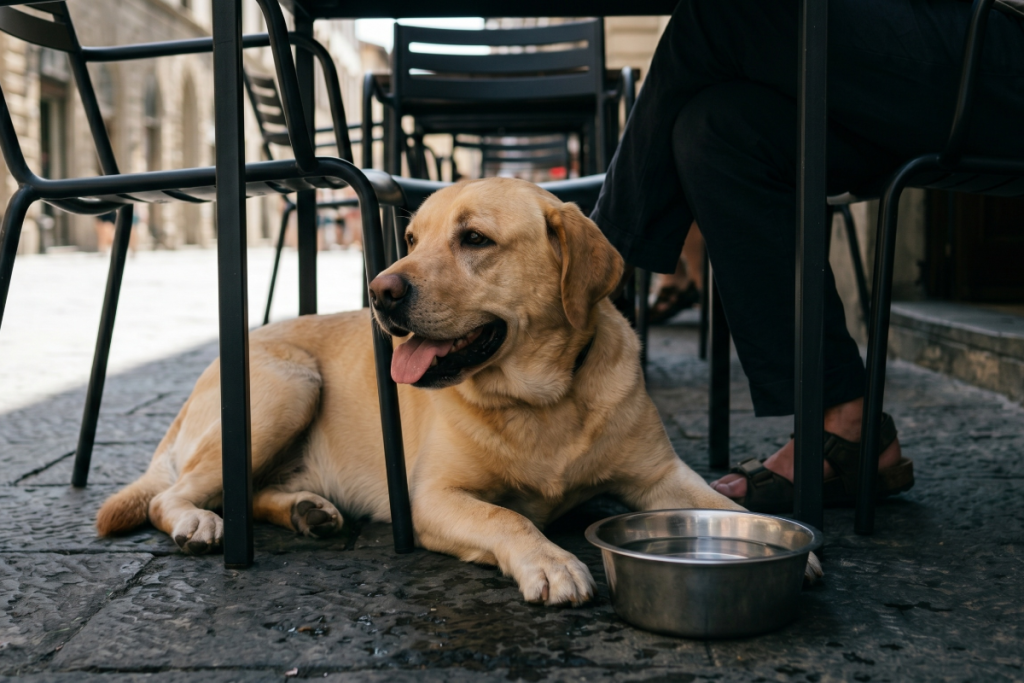
Make sure your pet always has access to fresh drinking water. On warmer days, place extra bowls around the home and garden in case one is knocked over or becomes warm.

Keep beds, cages and resting areas away from direct sunlight and choose the coolest, best-ventilated part of the home. Closing curtains or blinds on sunny windows can help prevent rooms from heating up.

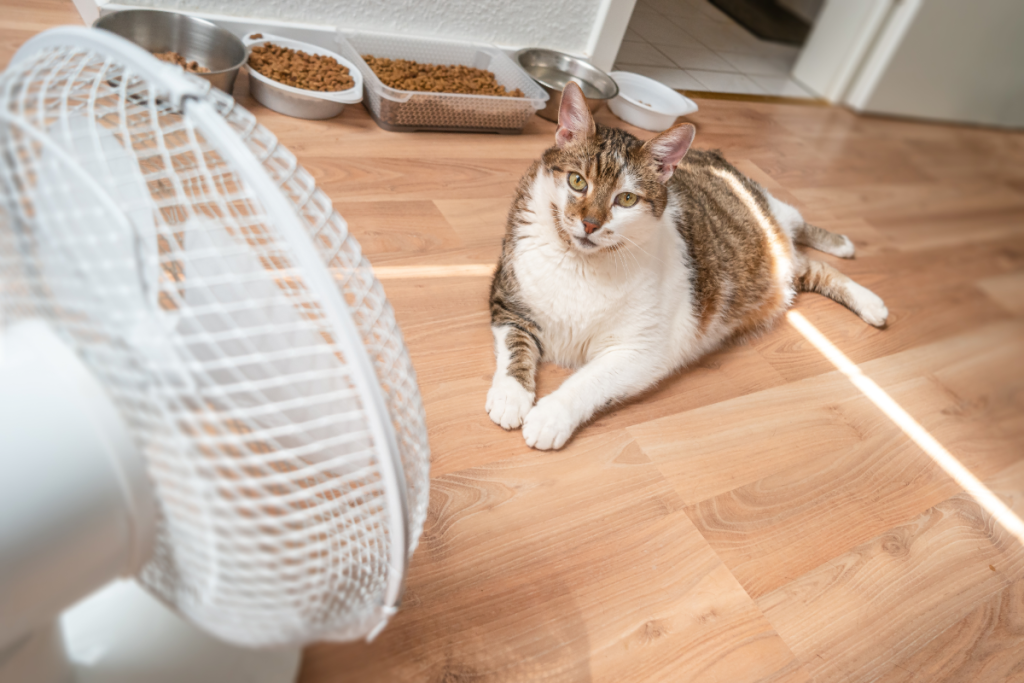
Fans may improve airflow, but pets should always be able to move away from them. Cooling mats, chilled ceramic tiles or a cool, damp surface can also provide relief.

Frozen water bottles wrapped in a towel can be placed beside, rather than directly against, a rabbit or guinea pig’s resting area.

Adjust Dog Walks and Exercise

Walk dogs during the coolest parts of the day, usually early in the morning or later in the evening. Keep walks shorter and gentler when it is warm, and choose shaded routes where possible.

Missing a walk or replacing it with calm indoor enrichment is safer than exercising in unsuitable heat. Food puzzles, scent games and short training sessions can provide mental stimulation without strenuous activity.

Pavements and artificial surfaces can become much hotter than the surrounding air and may burn paw pads. Check the ground before walking and avoid it when it feels uncomfortably hot to your hand.

Remember that energetic dogs may not choose to stop by themselves, so owners need to set the limit before their pet becomes exhausted or overheated.

Never Leave a Pet in a Hot Enclosed Space

Never leave a pet in a parked car on a warm day, even with the windows partly open or for only a few minutes. Cars can heat up rapidly and become dangerously hot.

Conservatories, caravans, sheds, greenhouses and poorly ventilated rooms can also become unsafe. Always check the temperature and ventilation before leaving a pet in an enclosed area.

Plan journeys carefully, use air conditioning where available and take regular breaks with access to fresh water.
Hot Weather Care for Cats

Cats often manage warm days by sleeping more and finding cooler places, but they still need support from their owners.

Provide several water bowls around the home and keep indoor areas ventilated. Some cats prefer running water, so a pet drinking fountain may encourage them to drink more.

Check sheds, garages, greenhouses and vehicles before closing doors, as cats may enter these spaces to explore or find somewhere quiet to sleep.

Pale or thinly furred cats can also be vulnerable to sunburn, particularly on the ear tips and nose. Ask your vet about a suitable pet-safe sun protection product rather than using human sunscreen, which may contain ingredients that are harmful if licked.

Panting or open-mouth breathing is unusual in cats and should be treated as a warning sign. Move your cat somewhere cool and contact your vet promptly.
Hot Weather Care for Rabbits and Small Pets

Rabbits, guinea pigs and other small pets can overheat quickly, particularly when housed outdoors.

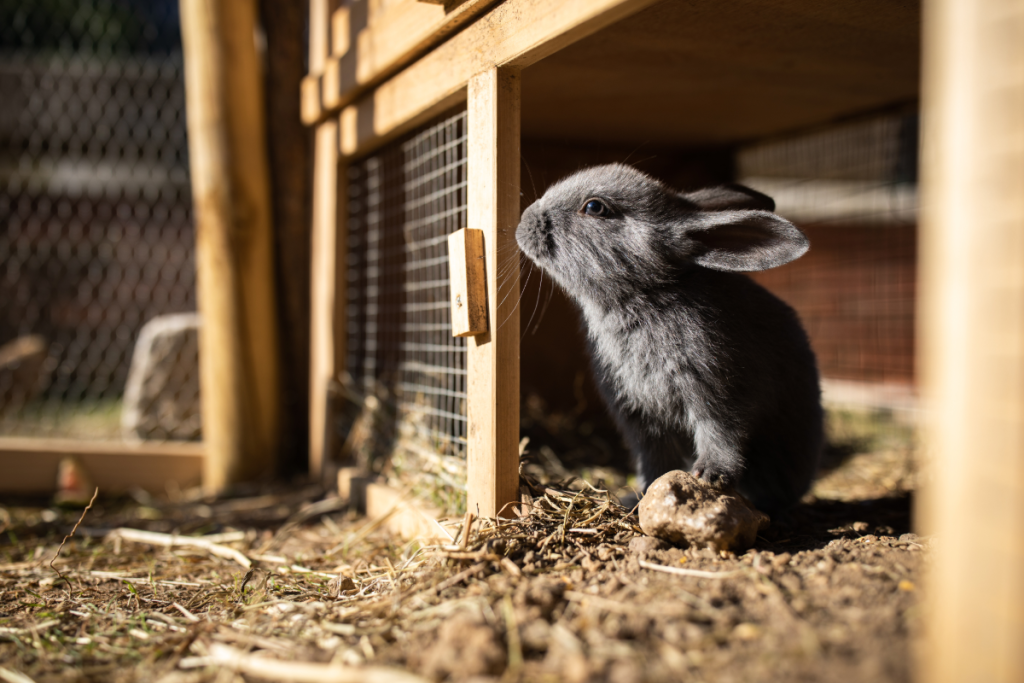
Move outdoor accommodation into permanent shade and remember that the position of the sun changes throughout the day. An area that is shaded in the morning may be in full sun by the afternoon.

Hutches and runs need good ventilation while still keeping pets secure from predators. Indoors, move cages away from sunny windows, radiators and warm electrical appliances.

Provide cool resting surfaces and consider placing a frozen water bottle wrapped in a towel beside their sleeping area. Replace it as it warms and make sure your pet can move away from it.

Check rabbits at least twice daily during warmer weather. Heat also increases the risk of flystrike, so keep bedding clean and regularly check the fur around your rabbit’s bottom.

Contact your vet promptly if you notice:

  • Wet, dirty or matted fur around the bottom
  • Wounds or sore skin
  • Flies or maggots
  • Reduced appetite
  • Fewer or smaller droppings
  • Weakness, rapid breathing or unusual quietness

A rabbit that has stopped eating or producing droppings needs urgent veterinary advice.

Signs Your Pet May Be Overheating

Early signs of overheating can progress quickly, so it is important to act as soon as something appears wrong.

Warning signs may include:

  • Heavy, rapid or unusual panting
  • Excessive drooling or a very wet mouth
  • Restlessness or distress
  • Repeatedly seeking shade or cool surfaces
  • Bright red or unusually pale gums
  • Weakness, drowsiness or poor coordination
  • Vomiting or diarrhoea
  • Confusion or reduced responsiveness
  • Collapse or seizures

Cats may pant or breathe with an open mouth, which is always concerning.

Rabbits may breathe rapidly, have hot or reddened ears, appear weak, lie stretched out or become unusually quiet and unresponsive.

What to Do if You Think Your Pet Has Heatstroke

Heatstroke is a veterinary emergency. Begin cooling your pet immediately and contact the practice for urgent advice.

  1. Stop all activity. Move your pet into shade or a cool, well-ventilated area.
  2. Apply cool tap water to the body. The water does not need to be ice-cold. It simply needs to be cooler than your pet.
  3. Encourage airflow. Use a fan, air conditioning or natural airflow to support evaporation.
  4. Offer small amounts of water. Only do this if your pet is alert and able to drink normally. Do not force water into their mouth.
  5. Call the vet immediately. Arrange an urgent assessment and continue cooling your pet while preparing for transport.

Do not wrap an overheating pet in wet towels. Towels can quickly become warm and may trap heat against the body.

Do not delay veterinary care because your pet appears to improve. Internal complications can develop even after their breathing settles or their body temperature begins to fall.

A Little Preparation Makes a Big Difference

Check the weather forecast before walks, journeys or days out, and make a cooler alternative plan when necessary.

Keep fresh water available, create shaded resting areas and pay extra attention to pets with known risk factors. Make sure anyone caring for your pet also understands their routine and knows the warning signs of overheating.

Hot weather safety is not about stopping pets from enjoying summer. It is about adapting their routine so they can enjoy it safely and comfortably.

Worried About Your Pet in the Heat?

If your pet is struggling to breathe, appears weak, collapses or shows other signs of heatstroke, contact the practice immediately: Dorchester (Poundbury): 01305 267083 / Weymouth: 01305 813303

For non-urgent summer care advice, speak to our team. You can also ask us how the practice health plan can help you stay on top of routine preventative care throughout the year.

Dental Health for Dogs and Cats – Why Oral Care Matters

Why Dental Health Is So Important for Pets

Dental care for dogs and cats is about far more than fresh breath. Plaque and tartar build-up can lead to gum inflammation, infection, loose or painful teeth, and chronic discomfort. If left untreated, bacteria from the mouth can enter the bloodstream and may affect vital organs such as the heart, liver and kidneys.

Cats are particularly good at hiding dental pain, and many will continue eating despite significant discomfort.

Common Signs of Dental Disease in Dogs and Cats

Dental disease can affect dogs and cats of all ages, including puppies and kittens, although the signs may vary depending on age and dental development. Signs include:

  • Bad breath
  • Red, swollen or bleeding gums
  • Yellow or brown tartar on the teeth
  • Dropping food or chewing on one side
  • Pawing at the mouth or face
  • Reduced appetite or weight loss
  • Behaviour changes, such as irritability or withdrawal

What Causes Dental Problems in Pets?

The main cause of dental disease is plaque – a sticky film of bacteria that forms on the teeth. If plaque isn’t removed, it hardens into tartar, which irritates the gums and allows infection to develop below the gumline.

Some pets are more prone to dental disease, including:
  • Small and flat-faced dog breeds
  • Cats with crowded teeth
  • Older pets
  • Pets fed mainly soft food
  • Pets without regular dental care routines

How to Look After Your Pet’s Teeth at Home

A consistent dental routine should start early. Puppy dental and kitten dental care help build positive habits and lay the foundations for healthy adult teeth.

Tooth Brushing:

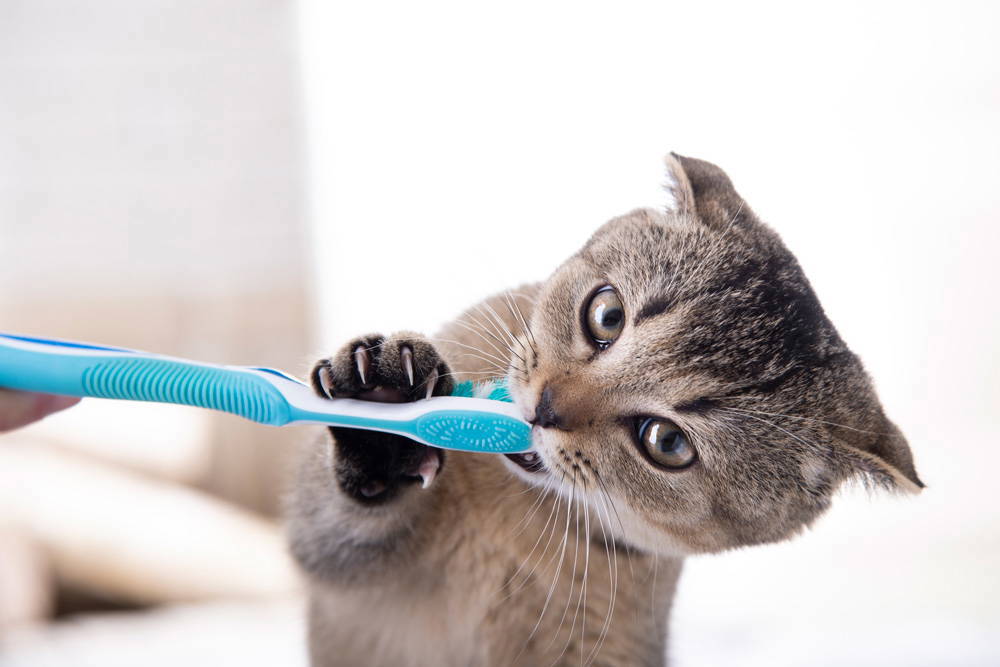
Daily tooth brushing is the gold standard for preventing dental disease. Use a pet-specific toothbrush and toothpaste – never human toothpaste.

Dental Diets and Chews:

Veterinary-approved dental diets and chews can help reduce plaque and tartar build-up.

Regular Mouth Checks:

Getting your pet used to gentle mouth checks at home makes it easier to spot problems early.

Professional Dental Treatment at the Vet

Professional dog dental and cat dental treatment plays an important role when home care alone isn’t enough. Dental procedures are carried out under general anaesthetic, allowing a thorough examination, cleaning and polishing of the teeth. Dental X-rays may be used to assess tooth roots below the gumline.

When Should I Speak to a Vet?

If your pet has bad breath, visible tartar, sore gums, or if you’re unsure how to start a dental routine, get in touch with us by calling Dorchester: 01305 267083 / Weymouth: 01305 813303, and our team will be happy to help.

The Castle Club | Pet Healthcare Plan from Castle Vets Dorchester and Weymouth

Get Regular Health Checks and Save 10% on Dental Treatment 

With The Castle Club, you save 10% on dental treatments and get a full health check every 6 months making it easy to stay on top of your pet’s dental health.

Heatstroke in Dogs | Symptoms, Preventing and Treating Heat Stroke

Heatstroke in dogs

As temperatures rise during the summer, we’re able to get out and enjoy the longer days and beautiful weather with our dogs. 

As humans, we know we need a cold drink or to find some shade when we’re getting too hot, but dogs aren’t as self-aware. It’s also instinctive for dogs to hide any sign of weakness, and even if they’re struggling – they can’t tell us.

When can heatstroke happen? Is it a problem in the UK?

Heatstroke (also known as hyperthermia) describes a body temperature that has risen above normal limits. In this case, we’re looking at temperatures elevated by environmental factors rather than illness. Heatstroke can happen in relatively mild temperatures from around 21 degrees Celsius and higher. 

If a dog’s body temperature exceeds 41.2c, it can even lead to organ failure, so it’s essential we know what to look out for.

Dogs who have been exercising vigorously in heat, are overweight, have underlying health problems or suffer from breathing difficulties, such as flat-faced breeds, are often the first to suffer. It’s also well publicised that leaving dogs in cars – even with windows open and water available – can quickly cause problems, even on a cooler day. 

Unlike us, dogs can’t sweat to control their body temperature but pant instead. Muzzled dogs can often suffer from heatstroke quite quickly as their ability to pant is restricted, so it’s essential to pay extra attention in these situations. 

What are the signs to look out for?

A dog suffering from heatstroke will usually begin to show several of these symptoms:
  • Faster breathing and panting
  • Dry mouth and dry, discoloured gums, alternatively drooling and foaming at the mouth
  • Weakness
  • Vomiting
  • Diarrhoea
  • Tiredness
  • Confusion
  • Occasionally seizures

Heatstroke is an immediate medical emergency, and if you think your dog might be displaying these symptoms, you need to act quickly to reduce their body temperature safely. The quicker they can be cooled down, the better their chance of a full recovery, but be careful not to use very cold water or ice packs as this is too much of a shock.

What can you do?

Some things you can try are:
  • Pouring cool water over them, concentrating on their head, stomach, armpits and anywhere else with less fur.
  • If you’re at home, put them on a towel in the bath and give them a cool shower
  • Apply a breeze by placing them in front of a fan or air conditioner (a well ventilated area is not enough, it should be moving air)
  • Offer them water
  • Speak to them calmly and reassure them that everything is ok

If you remain concerned or if they had heatstroke for a while before recovering, call us and we will of course see them.

How can I avoid my dog getting heat stroke?

Here are our top tips for warmer times:
  • Exercise your dog when it’s cooler – either morning or evening are ideal
  • Take water and a bowl with you if you’re travelling in the car or walking somewhere without water bowls
  • Avoid hot pavements and sand
  • Never leave your dog in a car when the sun is out
  • Keep your dog a healthy weight
  • If they have a thick coat, consider having them clipped during warmer months
  • Watch how enthusiastically they’re running around. If it’s vigorous and a hot day, keep it short
  • Find shade when you can or limit the amount of time you’re out
  • Encourage them to swim if you’re near water and they like it. A hose pipe in the garden can also be fun!
  • If you have a brachycephalic (flat-faced) dog, a harness is often a better option than a lead as it doesn’t restrict their panting

Worried your dog has heatstroke?

If you remain concerned or if they had heatstroke for a while before recovering, call us and we will of course see them as soon as possible.

Join us for Puppy Training Club

Exciting news….

Our Puppy Training Club is back!

We are restarting our Puppy Club, a 6 week puppy training course held every Tuesday evening at the Poundbury Clinic at 7.30pm run by Watercombe dog trainers.

What the course covers:

Puppy Training! They will look at foundations for confidence, recall, loose lead, walking focus and impulse control, all done in a fun and enjoyable way for you and your pup. They will talk through common puppy problems and how to overcome them.

How to book:

This is a 6-week course and costs £70.00.

This is currently restricted to 4 pups per class.

Your puppy will be able to attend a week after their 2nd vaccination.

To book your place, click the button below to visit www.watercombedogs.co.uk where you can book the course:

If you have any questions, please do not hesitate to call us on 01305 267083

Pets and Fireworks | Top Tips To Help Pets Scared of Fireworks

Pets and Fireworks – Why Noise Annoys, and How Fears Can Turn Into Life-Limiting Phobias

Around 60% of our furry friends become agitated and afraid whilst fireworks are going off, so aside from being unpleasant for both them and your family, it’s little surprise that statistically more pets are reported missing on bonfire night than any other night during the year.

If the fear isn’t dealt with, it can quickly turn into a phobia. This is a lot more severe than anxiety and is defined as a persistent, excessive, and irrational fear response. It WILL NOT go away without help. Your dog isn’t going to grow out of it or get used to it and minor anxiety can quickly turn into a fear of thunder, then fear of sudden noise like people calling out in the street, or doors closing, and severely restrict their enjoyment of life – and yours. Scared dogs make difficult companions.

If you feel your pet would benefit from extra help, remember that Castle Club members benefit from unlimited behaviour and training advice, which includes help with anxious pets, training and anything else you may need. (Not a member yet? Click here to read the full list of year-round benefits)

No one knows why pets develop fears and phobias, but it is known that dogs who have separation anxiety often also develop a fear of noise, so if you have a nervous puppy be extra vigilant for the early signs of noise fear.

The signs are different in all animals but can often include:

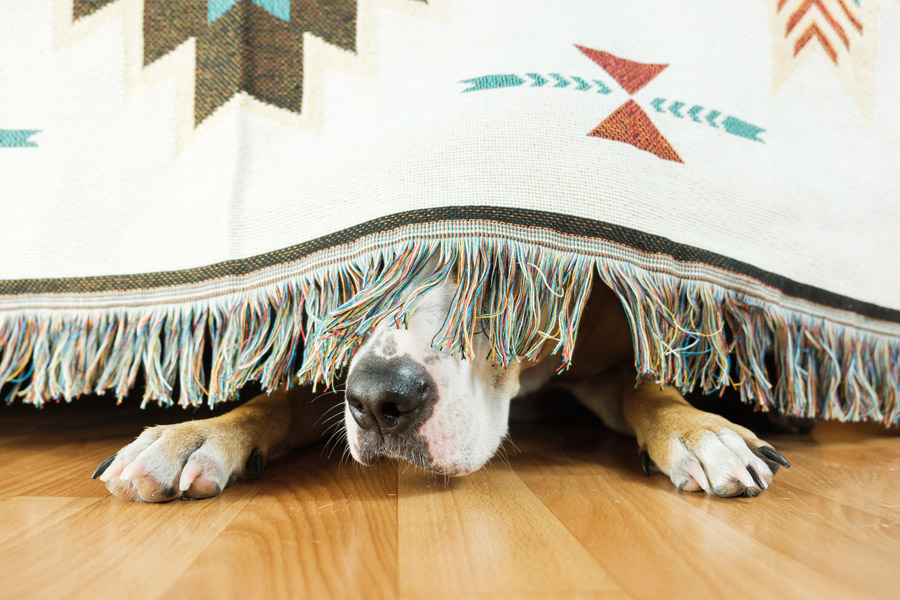
  • Hiding (cats like to do this more than dogs)
  • Urinating and defecating around the house in otherwise house-trained animals
  • Chewing
  • Panting
  • Pacing
  • Trying to escape (digging, trying to get out through windows, running away)
  • Dribbling
  • Over-dependence on the owner
  • Loss of appetite
  • Ignoring commands
  • Trembling or shaking
  • Uncharacteristic barking or meowing

Although it sounds wrong, it is important to try NOT to comfort nervous pets whilst they’re showing signs of fear or anxiety as it both rewards a fearful response and reinforces their belief that there is something to be fearful of.  Animals will also pick up on your anxiety which can make the problem worse, so try to remain calm and relaxed and carry on as if nothing is happening. Never punish your pet for fearful behaviour either, as they will associate the fear they feel with punishment and it will justify their fear to them.


Keep this information handy

If you have a potentially anxious pet – although it is generally a sensible list to keep handy – you should have the following information readily available to you during firework season. Storing it on your phone is a good way to do this.

You should note down:

  • Your pet’s microchip number/microchip database (microchips are now a legal requirement in dogs)
  • Local dog warden’s number
  • Local police contact
  • A clear photograph of your pet
  • Access to missing pet websites

Be aware that fireworks night is not just a night! As the date falls on a weekday this year, events will take place on the weekends either side and fireworks are sold well in advance of November 5th until after News Year’s Eve. If your pet is sensitive to them you need to ACT NOW to save them several months of distress.

What can I do?!

Download our FREE guide!

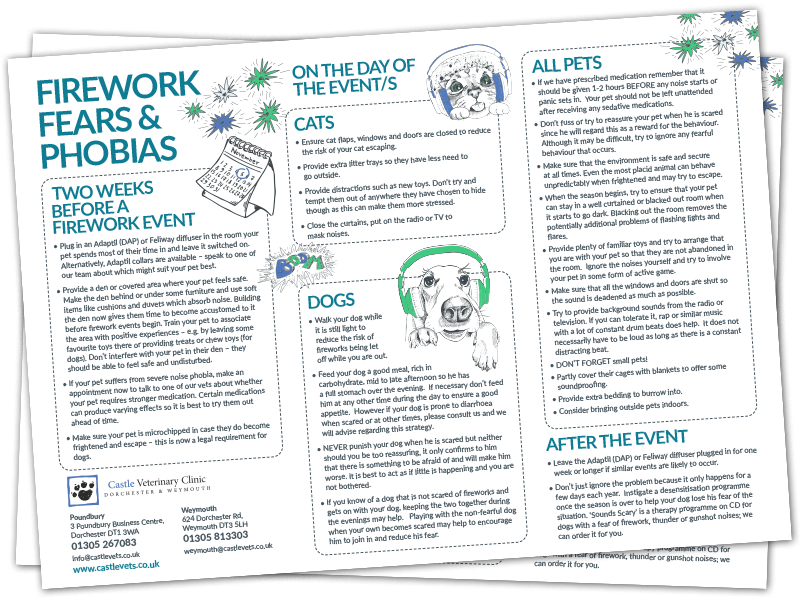
You can download our handy guide on Firework Fears and Phobias where we detail what you can do to help your cats, dogs, rabbits and other small animals during the weeks before and the day of the event. It’s packed with good ideas and will help get your pet through this potentially stressful time.

If you think your pet suffers from more than just minor anxiety or would like to discuss any behavioural issues, book an appointment to come and chat to us about it. We can offer behavioural consultations, supplements and plug-ins to help calm them, and in really bad situations we can prescribe sedatives.

Don’t let your pet suffer unnecessary anxiety.


To find out more and book an appointment, call the practice on  01698 361 136


Remember…

Castle Club members benefit from unlimited behaviour and training advice, which includes help with anxious pets, training and anything else you may need. (Not a member yet? Click here to read the full list of year-round benefits)

Pet Obesity | The Growing Issue of Overweight Pets

The weighty issue of the portly pet

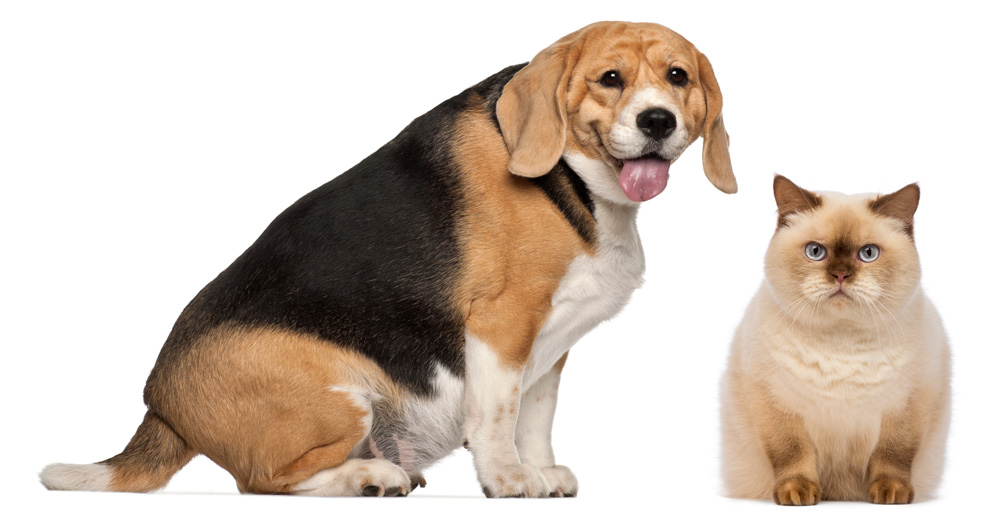
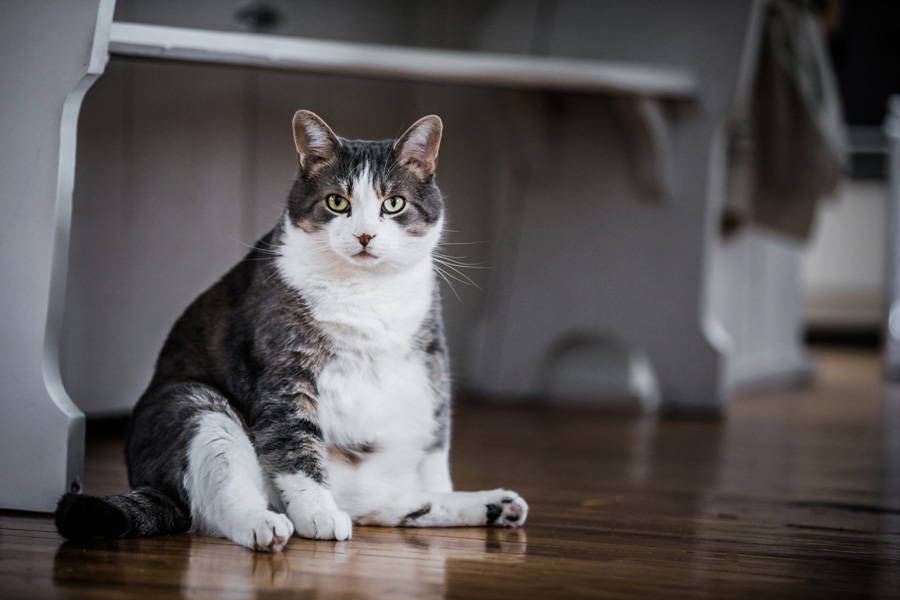
Overweight pets – a growing trend

Our pets are mirroring the human obesity growth curve, and very overweight cats and dogs are becoming common. As in humans, being overweight can cause many health issues for our pets. These include:

  • Diabetes
  • Arthritis, joint and mobility problems
  • Increased frequency of joint injuries
  • High blood pressure
  • Skin and coat problems
  • Urinary disease
  • Heart disease
  • Shorter lifespan than fitter pets
  • Tendency to interact less with their families.

The term obesity is used to describe a condition that is more serious than just being overweight. When a dog or cat is classed as obese, it means that their fat has now reached the stage where their bodies struggle to maintain good health.


In 2018, results of an online survey* suggested that around 59% of dogs and 53% of cats throughout the world are obese. In fact, this rapidly increasing problem is now so significant that the World Small Animal Veterinary Association have officially classed canine obesity as a disease.

But it’s not always obvious to us…

This survey also showed that only 24% of owners thought their pet was overweight. This suggests pet owners not realising that their pet is obese has also become a big part of the problem. When you see your pet every day, and pets around you are slowly getting bigger too, a larger size becomes normal.


Why is obesity becoming more common?

The science behind overweight pets is usually as simple as it is in humans – more often than not a pet is obese because they’re eating more calories than they’re burning off.  There are occasions where genetics or other health factors play a part, and some breeds are more likely to gain fat than others. There might also be some medical reasons that are contributing, for example, undiagnosed joint pain restricting their movement, or an underactive thyroid slowing down their metabolism.

Before starting your pet on a diet or increased exercise schedule, you should book a FREE weight clinic check-up with one of us to make sure there aren’t any underlying medical issues.

Don’t forget that if you’re a member of The Castle Club you'll already have a full health check with a vet every year, and one six months later with a nurse. Plus, you can arrange for a weight check or weight clinic FREE OF CHARGE whenever you feel you need it.

Not already a member?
The Growing Trend of Overweight Pets
How do I know if my pet is overweight?

There are some visual checks you can do at home that will give you an idea of their condition:

  • You should be able to see their ribs under their coat, or if they have a thick coat, you should be able to feel them.
  • A clearly defined waist should be visible from the side and from above
  • When you look at them from the side, you shouldn’t be able to see a rounded or saggy belly
 
I think my pet is overweight. What should I do?

More pets are being fed complete diets in the form of biscuits, and this has resulted in well-nourished animals, as the nutritional quality of the food makes sure they get all they need. The downside of biscuits is that it’s easy for us to fill their bowl each day as that seems like the right amount to give them, and it’s often way too much.

To ensure they aren’t consuming more calories than they need, check the pet food packaging. Many pet foods come with a cup with a portion size printed on the side. If not, weigh the food using kitchen scales until you get an idea about how much they should have each day, then split that across their meals.

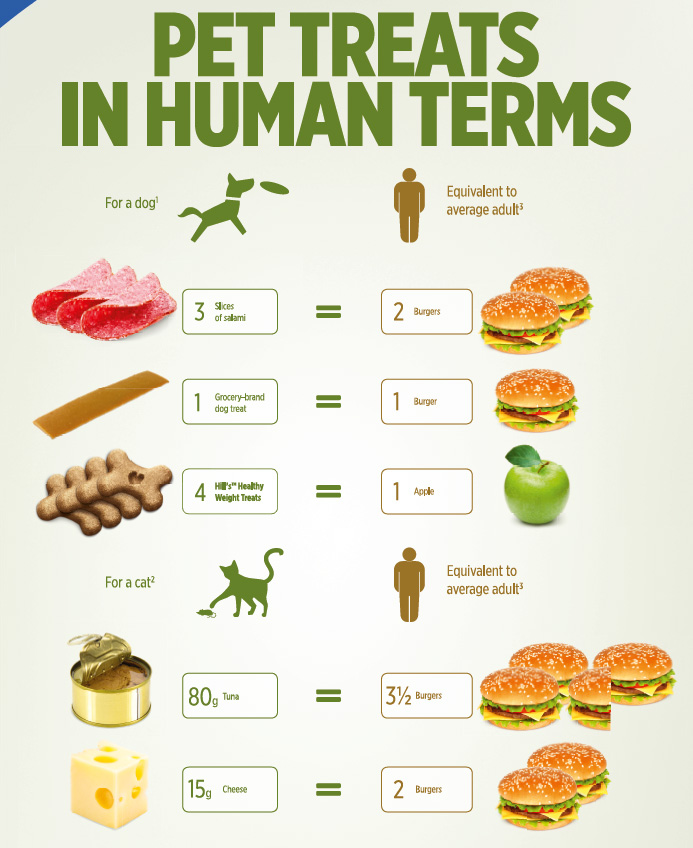
Take care with extra treats! For a small dog, one biscuit can be the additional calorie equivalent of a burger.

Below is a comparison of some common treats for pets in human terms:


Source: https://www.hillspet.co.uk/pet-care/nutrition-feeding/human-food-treat-translator

How much exercise should pets have?

Dogs need to be walked every day, although the amount of exercise they need varies depending on their breed, age, size and general health. Your dog should be either walking or running for between 30 minutes and two hours daily. Hunting and working breeds need the most exercise and plenty of time to run around and explore off the lead.

Cats will only do exactly what they want when they want. This includes active time, and they’ll control their own, although you can encourage them to want to move around by getting some irresistible-to-cats toys – lights that move around, balls to chase around tubes, feathers on sticks, and small cat toys are often enjoyed but try a few and see which ones result in a playful cat.


The best approach to weight management is to monitor and prevent excessive weight gain

As many of us know from personal experience, losing weight can be boring and difficult. It’s much easier to maintain weight by making tweaks to food intake and exercise when needed, and better for long-term health too.  It’s also good to have support, as denying your pet simples pleasures can be as hard for us as it is for them, even when we know we’re doing it because we love them. That’s where our weight clinics can help…

FREE weight clinics for our clients

Our pet weight clinic aims to improve the health and overall fitness of your pet. We do this by holding regular appointments with our friendly and non-judgemental nurses in which we weigh and measure your pet and discuss diet.

We will track your pet’s weight loss over time by measuring your pets neck, widest part of the chest and waist. We also weigh and body condition score to build up a full picture of their overall progress.

With your consent we also take pictures before, during and after weight loss as it’s not always easy to see the progress when you see them every day.

If you think this service would be useful for you or you’d just like to check that your pet is the right weight, call to make a free appointment on Dorchester (Poundbury) 01305 267083 or Weymouth 01305 81330

Don’t forget that if you’re a member of The Castle Club you'll already have a full health check with a vet every year, and one six months later with a nurse. Plus, you can arrange for a weight check or weight clinic FREE OF CHARGE whenever you feel you need it.

Not already a member?

*The survey was conducted online during January and February 2018.  The total sample size was 5,309 cat and dog owners who were responsible for their pet’s health and well-being (Brazil 1,068; China 1,036; Russian 1,111; United Kingdom 1,023 and United States 1,071).

Health Benefits of Veterinary Acupuncture for Pets

Did you know that pets, as well as people, can respond really well to acupuncture?

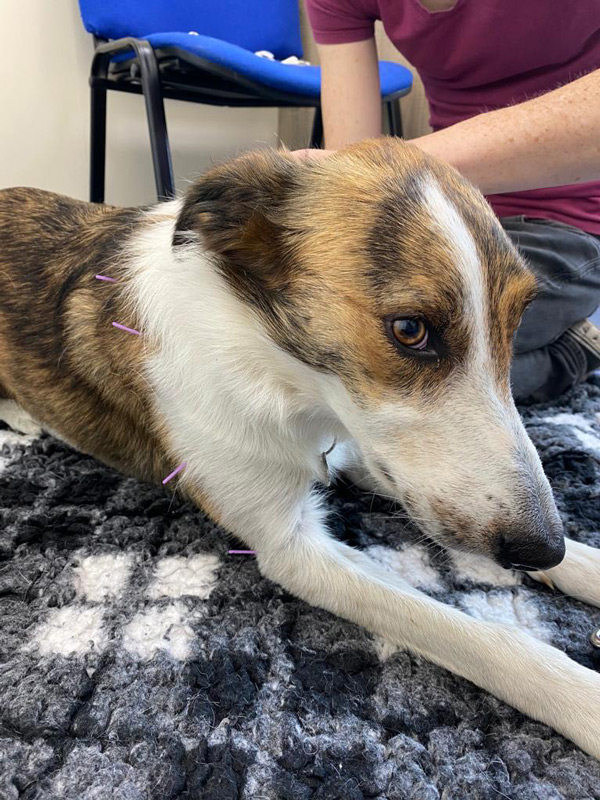
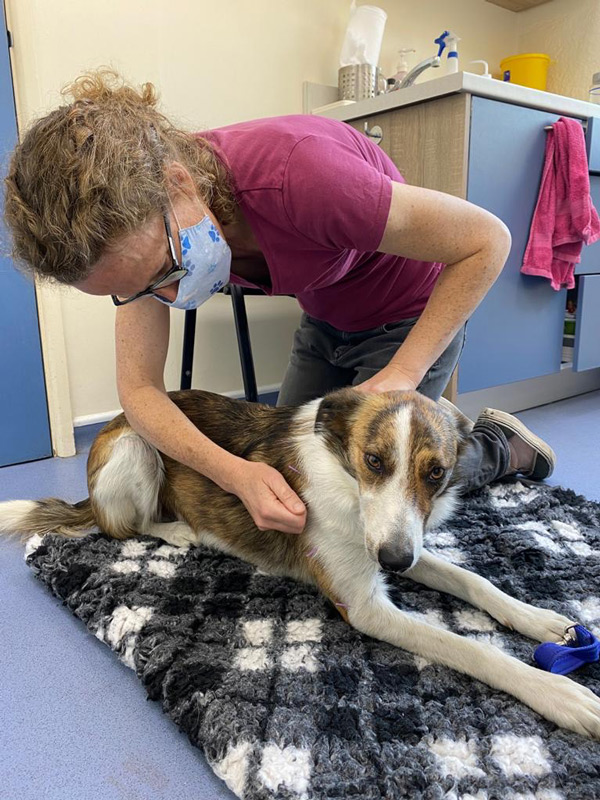
We’re delighted to now be able to offer this ancient Chinese therapy as a holistic supplement to traditional veterinary care. Veterinary acupuncture can be particularly useful when dealing with mobility issues, chronic pain conditions such as joint pain, and gastrointestinal issues. It’s an ideal treatment for older, geriatric pets who can find the therapy quiet calming, although it’s a useful complementary treatment for all life-stages.

Veterinary acupuncture is thought to work in a few different ways:
  • It can stimulate the release of the pain relieving and anti-inflammatory chemicals as well as relax muscles at the site of the needle insertion, causing both local and more generalised pain relief
  • Veterinary acupuncture can improve blood flow to tissue, increase oxygenation and remove metabolic waste and toxins
  • Unlike prescription drugs, there are no potential adverse side effects. It can also safely be used in conjunction with traditional vet medicine

Vet Alice Moore, who joined us in April, has been treating patients with acupuncture for a number of years.

“I find veterinary acupuncture to be useful in treating a whole range of conditions” says Alice. “Owners are often surprised that cats, dogs and rabbits all tolerate acupuncture really well and I have used it to treat back pain, arthritis, bladder problems and all sorts of lameness issues”

Alice Moore

Veterinary Surgeon

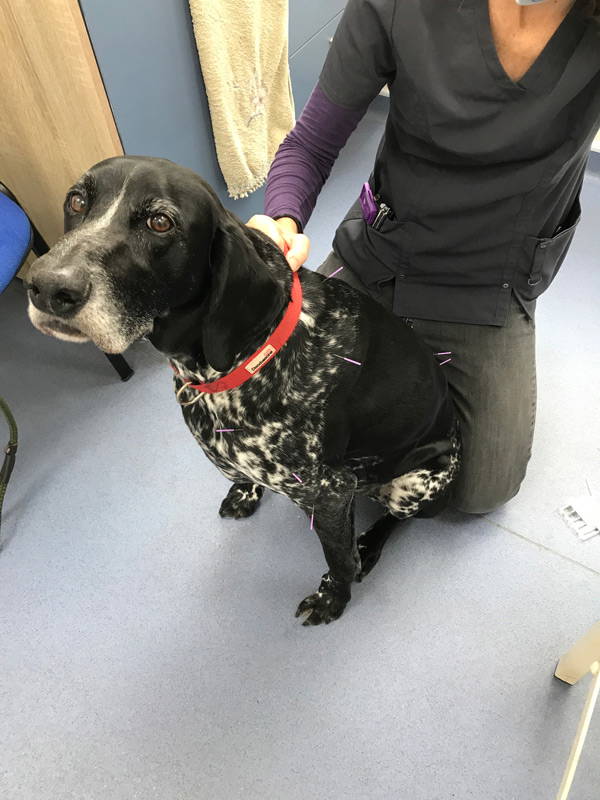
Here are some photos of Raz and Monty who are both being treated at our Dorchester clinic.

If you think your pet might benefit from veterinary acupuncture or are just interested to learn more, contact us on 01305 267083 or using Petsapp

Castle Vets have partnered with Virtual Veterinary Specialists!

Castle Vets have partnered with Virtual Veterinary Specialists, a team of world-class specialists who work alongside our excellent veterinary team here at Castle Vets to achieve the best possible outcomes for your beloved pet.

So if we feel that your pet would benefit from being examined by a specialist for a more complex health issue, we can now use cutting edge technology to enable us to work together with the specialist to examine and treat your pet, here at Castle Vets.

This option is not only very convenient for you as there is no need to travel or take time off of work, but it is also much less stressful for your pet as they remain in the familiar environment of our practice with our caring veterinary team.  And you can rest assured that your beloved pet has received the best possible veterinary care all under one roof, here at Castle Vets!

Mitral Valve Disease (MVD) in Dogs

Does your dog have a big heart?

We should check it’s the right kind!

Here at Castle Vets we are launching a campaign to get as many dogs as possible diagnosed and staged with their heart disease because it can make a real difference to the outcome.

There are different types of heart disease but one of the most common causes of a murmur is Mitral Valve Disease (MVD).

What is Mitral Valve disease in dogs?

Mitral Valve Disease, Canine Myxomatous, or MVD, is a condition that primarily affects small to medium sized dogs, although it can affect any size dog. Degenerative changes thicken the valve in the heart, causing it to leak. When the disease progresses, the heart enlarges. This can eventually lead to heart failure.

Not all dogs with MVD will go into heart failure. Dogs with MVD who do go into heart failure are normally those with an enlarged heart. Usually dogs with both MVD and an enlarged heart will develop heart failure within 1-2 years.

There are certain breeds that are known to be likely to develop this condition, such as; Cavalier King Charles Spaniels and Dachschunds. Although the genetics are being investigated, the disease is very common in small breed dogs as they age.

Dogs with MVD and an enlarged heart have been shown to stay outwardly healthy for longer and live longer with treatment. This is why it is important to check your dog’s heart so that treatment can be started at the right time to delay the onset of heart failure and keep them happy and healthy for as long as possible.

What can I do about MVD?

Here at Castle Vets, we have partnered with Virtual Veterinary Specialists to offer a Mitral Valve Screening ultrasound scan with a Specialist Cardiologist. Find out more about Virtual Veterinary Specialists here

Get £50 off an MVD Screening with a Specialist Cardiologist

For October and November we can offer MVD Screening for just £250. (Usually £300)
The scan will assess the severity of the heart disease and whether the heart is enlarged. If indicated then medicine can be prescribed to slow the progression of the disease.

Call the surgery to book an MVD Screening today
Simply call the surgery to book a Mitral Valve Screening Ultrasound appointment today and we can keep your dog happy and healthy for as long as possible.

Dorchester: 01305 267083 Weymouth: 01305 813303
LIMITED OFFER!

If you would like further information on Mitral Valve Disease then we recommend taking a look at http://bit.ly/beatdogheartdisease